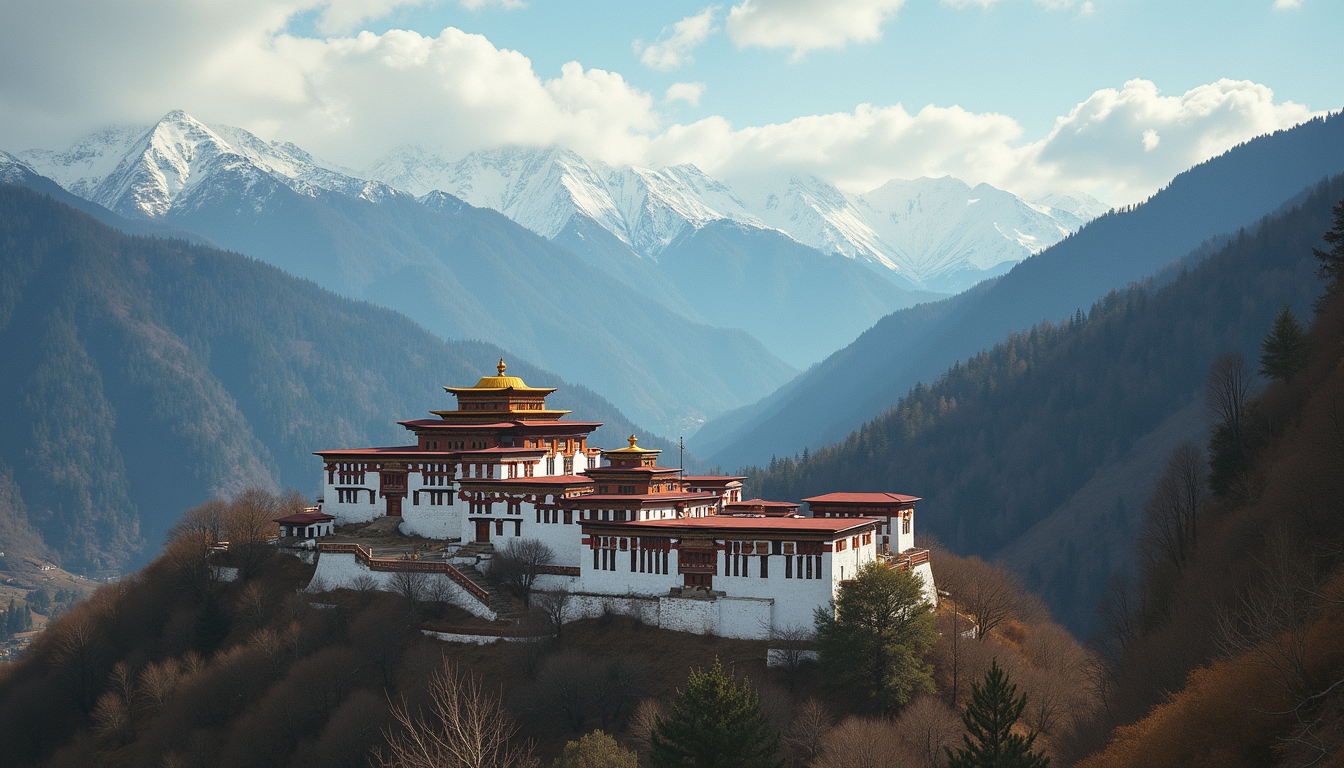

Uncover Bhutan's Rich History on an Epic Journey

Bhutan, often referred to as the "Land of the Thunder Dragon," is a small kingdom nestled in the eastern Himalayas. It is a country steeped in rich history, vibrant culture, and breathtaking landscapes. For those looking to explore a destination that offers more than just stunning views, Bhutan presents an epic journey through time. This blog post will guide you through the historical highlights of Bhutan, showcasing its unique heritage and inviting you to experience its profound stories.
The Origins of Bhutan
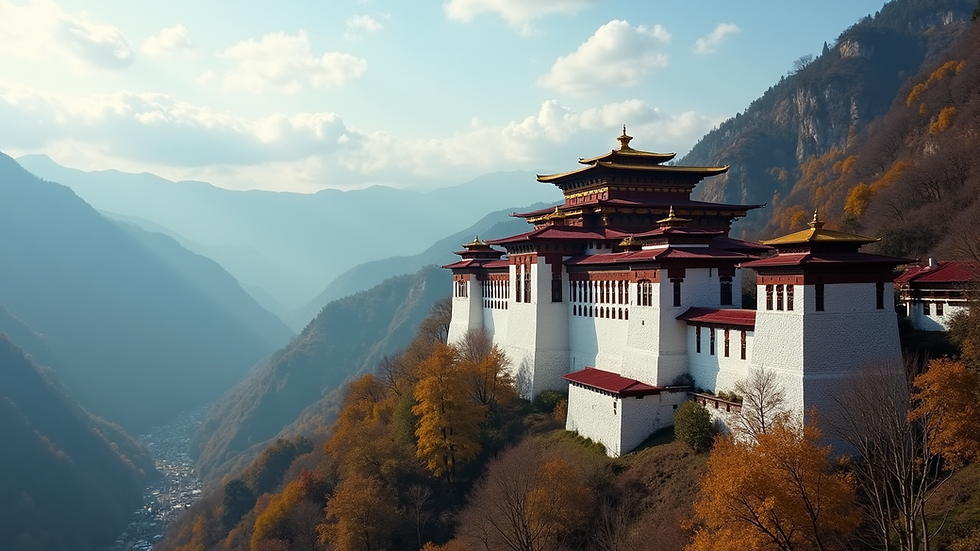
Bhutan's history dates back to the 7th century when it was first unified under the rule of King Songtsen Gampo. This period saw the introduction of Buddhism, which would become a defining element of Bhutanese identity. The arrival of Guru Padmasambhava, also known as Guru Rinpoche, in the 8th century further solidified Buddhism's influence, leading to the establishment of numerous monasteries and temples.
The Spread of Buddhism
The spread of Buddhism in Bhutan was not merely a religious transformation but also a cultural one. The teachings of Buddhism shaped the social fabric of the nation, influencing art, architecture, and daily life. Monasteries such as the iconic Paro Taktsang, or Tiger's Nest, became centers of spiritual learning and pilgrimage, drawing visitors from all over the world.
The Unification of Bhutan
In the 17th century, the country faced internal strife and division among various regions. This chaos prompted the great unifier, Zhabdrung Ngawang Namgyal, to consolidate power and establish a centralized government. His leadership not only unified Bhutan but also laid the foundation for its unique dual system of governance, combining both spiritual and temporal authority.
Zhabdrung Ngawang Namgyal's Legacy
Zhabdrung Ngawang Namgyal is revered as a national hero in Bhutan. His establishment of the Drukpa school of Buddhism and the construction of numerous dzongs (fortresses) are testaments to his enduring legacy. The dzongs served as administrative centers and monasteries, symbolizing the strength and unity of the Bhutanese people.
The British Influence
The 19th century marked a significant turning point in Bhutan's history with the arrival of British colonial interests in the region. The Treaty of Punakha in 1910 established Bhutan as a protectorate of the British Empire, allowing it to maintain internal autonomy while receiving British support in foreign affairs. This relationship would shape Bhutan's modern political landscape.
The Transition to Democracy
Fast forward to the 20th century, Bhutan underwent a remarkable transformation. In 2008, King Jigme Khesar Namgyel Wangchuck introduced a democratic system, transitioning from an absolute monarchy to a constitutional monarchy. This shift aimed to empower the Bhutanese people and promote greater participation in governance.
Cultural Heritage and Traditions
Bhutan's rich history is not only reflected in its political evolution but also in its vibrant culture and traditions. The country is known for its colorful festivals, traditional arts, and unique architectural styles.
Festivals of Bhutan
Festivals, or "tshechus," are an integral part of Bhutanese culture. These events celebrate the teachings of Buddhism and often feature traditional dances, music, and rituals. The Paro Tshechu, held annually in the spring, attracts thousands of visitors who come to witness the spectacular performances and partake in the festivities.
Traditional Arts and Crafts
Bhutan is also famous for its traditional arts and crafts, which have been preserved for centuries. The intricate designs of thangka paintings, the craftsmanship of woodwork, and the vibrant colors of textiles showcase the artistic talents of the Bhutanese people. Visitors can explore local workshops and even participate in craft-making sessions to gain a deeper appreciation for these traditions.
The Natural Landscape and Its Historical Significance
Bhutan's stunning landscapes are not just a backdrop for its history; they are intertwined with the stories of its past. The country's rugged mountains, lush valleys, and pristine rivers have played a crucial role in shaping its culture and way of life.
Sacred Mountains and Rivers
Many of Bhutan's mountains and rivers are considered sacred in Buddhist tradition. For instance, the majestic Jomolhari, often referred to as the "Bride of Mount Jomolhari," is not only a stunning peak but also a revered site for spiritual practices. Similarly, the rivers that flow through the valleys are believed to carry blessings and are often associated with local deities.
Modern Bhutan: A Blend of Tradition and Progress
Today, Bhutan stands at a crossroads between tradition and modernity. While the country embraces development, it remains committed to preserving its cultural heritage. The concept of Gross National Happiness (GNH) reflects Bhutan's unique approach to progress, prioritizing the well-being of its citizens over mere economic growth.
Sustainable Tourism
Bhutan's commitment to sustainable tourism is evident in its policies that aim to protect the environment and promote cultural preservation. The government has implemented a "high-value, low-impact" tourism strategy, ensuring that visitors contribute positively to the local economy while minimizing their ecological footprint.
Conclusion: Your Journey Awaits
Bhutan's rich history is a tapestry woven with tales of spirituality, resilience, and cultural pride. From the ancient teachings of Buddhism to the modern embrace of democracy, the kingdom offers a unique perspective on the human experience. As you embark on your journey to Bhutan, prepare to uncover the stories that have shaped this remarkable nation.
Whether you are exploring ancient monasteries, participating in vibrant festivals, or simply soaking in the breathtaking landscapes, Bhutan promises an epic adventure that will leave a lasting impression. So pack your bags and get ready to experience the magic of Bhutan—where history and culture come alive in every corner.


Comments